
Introduction
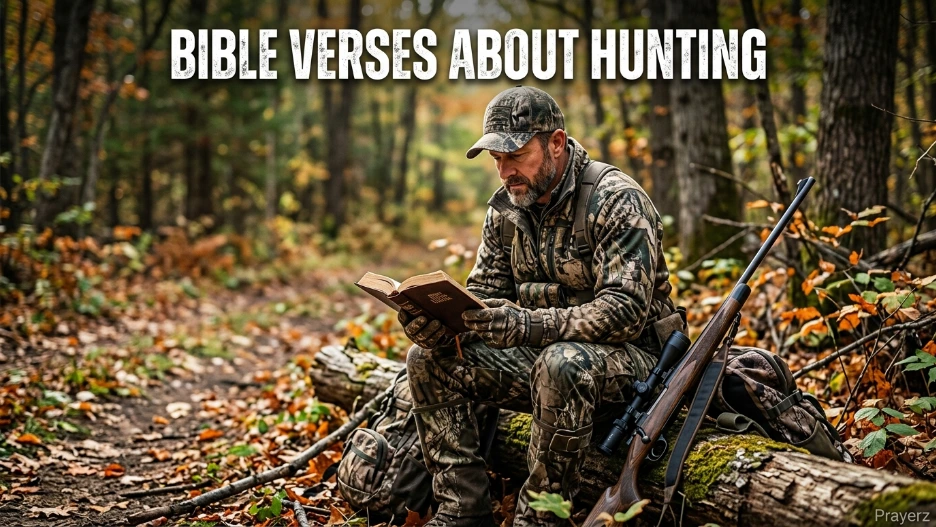
For many people, hunting is more than a hobby. It’s a family tradition passed down through generations, a way to provide food, a means of connecting with nature, and even an opportunity to spend quiet moments reflecting on God’s creation. Others, however, wrestle with difficult questions. Does the Bible approve of hunting? Is it sinful to hunt animals? How should Christians view hunting in light of God’s command to care for creation?
These questions matter because followers of Christ desire to honor God in every area of life—including outdoor recreation, food choices, and stewardship of the natural world. While the Bible does not contain a direct command either requiring or forbidding hunting, it offers timeless principles that shape a biblical perspective on the subject.
Throughout Scripture, hunting appears in historical accounts, wisdom literature, and symbolic language. We meet skilled hunters like Esau and Nimrod, discover God’s provision through wild game, and learn that every animal belongs to the Lord. At the same time, the Bible consistently teaches compassion, responsible dominion, gratitude, and respect for all living creatures.
Whether you’re an experienced hunter seeking biblical guidance, a Christian trying to understand what Scripture teaches, or simply curious about God’s view of hunting, this guide will walk through key Bible verses about hunting while keeping Christ at the center.
Our goal isn’t merely to answer a question about hunting—it is to help you grow closer to God and learn how every activity can become an act of worship when done according to His will.
Quick Answer
The Bible does not forbid hunting. In fact, Scripture acknowledges hunting as a normal part of life in biblical times. Hunters such as Esau and Nimrod are mentioned by name, and God gave humanity permission to eat animals after the flood (Genesis 9:3).
However, the Bible also teaches that Christians should approach hunting with:
- Respect for God’s creation
- Responsible stewardship
- Gratitude for God’s provision
- Compassion toward animals
- Avoidance of cruelty or needless killing
- A desire to glorify God in every action
Biblical hunting is never portrayed as reckless destruction or entertainment rooted in violence. Instead, Scripture encourages believers to value life, exercise wise dominion over creation, and give thanks for God’s abundant provision.
What Does the Bible Say About Hunting?
Before examining individual Bible verses about hunting, it’s important to understand the broader biblical picture.
Interestingly, hunting appears throughout both the Old and New Testaments—not primarily as a moral issue, but as part of everyday life. In biblical cultures, hunting supplied food, clothing, protection, and sometimes income.
The Bible presents several important truths.
1. God Owns Every Animal
Psalm 50 reminds us that every creature belongs to the Lord. Humans are caretakers—not ultimate owners.
2. Humanity Has Dominion
Genesis teaches that people are given authority over animals. Biblical dominion is not permission for abuse but a responsibility to care wisely for creation.
3. Animals May Be Used for Food
After Noah’s flood, God explicitly allowed mankind to eat animals (Genesis 9:3), expanding humanity’s diet beyond plants.
4. Cruelty Is Condemned
Although hunting itself isn’t forbidden, Scripture repeatedly encourages kindness toward animals and condemns needless cruelty.
5. Motives Matter
The Bible consistently teaches that God looks beyond actions to the heart. Whether hunting for food, wildlife management, or recreation, believers should examine their motives and seek to honor Christ.
These principles provide the foundation for understanding the verses that follow.
Bible Verses About God’s Dominion Over Animals
Genesis 1:26–28
“Then God said, ‘Let us make mankind in our image… and let them rule over the fish in the sea and the birds in the sky and over the livestock and all the wild animals.'”
Meaning and Context
This is the Bible’s first discussion of humanity’s relationship with animals.
God grants people dominion over creation, but this authority reflects God’s own loving rule—not exploitation.
Adam and Eve were appointed as caretakers of God’s world.
Practical Application
Hunters should remember they are stewards rather than owners.
Every hunting trip should reflect wisdom, responsibility, and respect for God’s creation.
Why It Still Matters
In an age of environmental concerns and wildlife conservation, this verse reminds believers that caring for nature honors its Creator.
Genesis 9:3
“Everything that lives and moves about will be food for you. Just as I gave you the green plants, I now give you everything.”
Meaning and Context
After the flood, God expanded humanity’s permission to include animals as food.
This passage forms one of Scripture’s strongest foundations for understanding hunting for food.
Practical Application
Christians may enjoy meat with gratitude while remembering every meal comes from God’s provision.
Hunters should avoid waste and respect the life taken.
Why It Matters Today
This verse demonstrates that eating animals—including wild game—is biblically permissible when approached responsibly.
Psalm 8:6–8
“You made them rulers over the works of your hands; you put everything under their feet…”
Meaning
David celebrates humanity’s God-given responsibility over creation.
Dominion always carries accountability.
Practical Application
Responsible wildlife management, ethical hunting practices, and conservation reflect biblical stewardship.
Modern Reflection
Christians should care for ecosystems because they belong to God.
Bible Verses About Hunters in Scripture
Genesis 25:27
“Esau became a skillful hunter, a man of the open country.”
Meaning
Esau is introduced as an accomplished hunter.
The verse itself neither praises nor condemns hunting.
Instead, it describes his occupation and personality.
Important Context
Esau’s later spiritual failures stemmed from impulsiveness—not hunting.
The Bible distinguishes between a person’s profession and their character.
Application
Skills and hobbies do not define spiritual maturity.
Our hearts matter more than our occupations.
Genesis 27:3
“Now then, get your equipment—your quiver and bow—and go out to the open country to hunt some wild game for me.”
Meaning
Isaac asks Esau to hunt food.
Hunting is portrayed as an ordinary family activity.
Application
Providing food for one’s family reflects biblical responsibility.
Hunters today can similarly view harvesting game as a way of responsibly providing nourishment.
Reflection
The focus is not the hunt itself but family relationships, provision, and obedience.
Genesis 10:8–9
“Nimrod… was a mighty hunter before the Lord.”
Meaning
Nimrod is remembered as a powerful hunter.
Scholars debate whether the phrase reflects admiration or criticism, but Scripture clearly acknowledges hunting as culturally significant.
Application
Ability and success should never replace humility before God.
Reflection
Our achievements should always point back to the Lord rather than ourselves.
Bible Verses About God’s Care for Animals
Psalm 50:10–11
“Every animal of the forest is mine…”
Meaning
God declares ownership over every creature.
Animals ultimately belong to Him.
Practical Application
Hunters should never view wildlife merely as trophies.
Each animal reflects God’s creative wisdom.
Modern Reflection
Respect for wildlife begins with recognizing God’s ownership.
Proverbs 12:10
“The righteous care for the needs of their animals.”
Meaning
Godly people show compassion toward animals.
Righteousness includes mercy.
Application
Ethical hunting avoids unnecessary suffering.
Responsible hunters seek clean, humane harvests.
Reflection
Compassion and stewardship can coexist with responsible hunting.
Matthew 10:29
“Are not two sparrows sold for a penny? Yet not one of them will fall to the ground outside your Father’s care.”
Meaning
Jesus teaches God’s intimate knowledge of every creature.
Application
Even when animals are used for food, believers should never become careless or indifferent toward life.
Reflection
Every life matters because every life is known by God.
Bible Verses About God’s Provision Through Hunting and Food
Throughout Scripture, God repeatedly reveals Himself as the ultimate Provider. While people worked the land, raised livestock, fished, and hunted, they understood that every meal ultimately came from the Lord’s gracious hand. Hunting, when practiced ethically and responsibly, can be viewed as one of the many ways God provides food for His people.
Deuteronomy 12:15
“Nevertheless, you may slaughter your animals in any of your towns and eat as much of them as you want, as if they were gazelle or deer, according to the blessing the LORD your God gives you.” (NIV)
Meaning and Context
As Moses instructed Israel before entering the Promised Land, God clarified that people could eat clean animals outside the sacrificial system for ordinary meals. Wild animals such as deer and gazelle were specifically mentioned as acceptable food.
This passage demonstrates that eating wild game was an accepted part of Israelite life.
Practical Application
Hunters can remember that providing wholesome food for their families can be a meaningful expression of stewardship and gratitude. Rather than wasting God’s gifts, believers should use what He provides wisely.
Why It Remains Relevant Today
In a culture where many people are disconnected from the source of their food, this verse reminds Christians to appreciate God’s provision and avoid taking it for granted.
Leviticus 17:13
“Any Israelite or any foreigner residing among them who hunts any animal or bird that may be eaten must drain out the blood and cover it with earth.”
Meaning and Context
This law regulated hunting among God’s people. Rather than forbidding hunting, God instructed Israel to treat the animal with respect because life belongs to Him.
The draining of blood symbolized reverence for life and reminded God’s people that every creature ultimately belonged to God.
Practical Application
Modern hunters may not be under Old Testament ceremonial laws, but the principle remains: respect every life God has created. Ethical harvesting, proper field dressing, and using the meat responsibly demonstrate appreciation for God’s gifts.
Why It Still Matters
This verse teaches that even necessary acts involving animals should be carried out with dignity, gratitude, and reverence.
Bible Verses About Gratitude for God’s Provision
One of the greatest differences between a biblical view of hunting and a worldly one is gratitude. Scripture repeatedly encourages believers to receive God’s blessings with thankful hearts.
1 Timothy 4:4–5
“For everything God created is good, and nothing is to be rejected if it is received with thanksgiving, because it is consecrated by the word of God and prayer.”
Meaning and Context
Paul addresses unnecessary restrictions regarding food and reminds believers that God’s creation is good when received with thanksgiving.
Practical Application
Whether enjoying venison, wild turkey, duck, elk, or another lawful game animal, Christians should pause to thank God for His provision.
Prayer before meals transforms ordinary eating into worship.
Why It Matters Today
Gratitude guards us against entitlement and reminds us that every blessing originates with God.
James 1:17
“Every good and perfect gift is from above, coming down from the Father of the heavenly lights.”
Meaning and Context
James teaches that every blessing—including food, health, opportunities, and abilities—comes from God.
Practical Application
A successful hunt should produce humility instead of pride. Skill matters, but favorable weather, healthy wildlife, physical strength, and safety are ultimately gifts from God.
Reflection
Hunters who recognize God’s hand in every blessing cultivate hearts of worship rather than self-reliance.
Bible Verses About Stewardship and Caring for Creation
A biblical understanding of hunting cannot ignore God’s command to care for His creation. Stewardship means wisely managing what belongs to God.
Psalm 24:1
“The earth is the LORD’s, and everything in it, the world, and all who live in it.”
Meaning and Context
David declares God’s complete ownership over creation.
Practical Application
Hunters should leave forests cleaner than they found them, obey wildlife regulations, avoid waste, and support conservation efforts that preserve healthy animal populations.
Why It Matters
Conservation is not merely an environmental concern—it is an act of honoring the Creator.
Proverbs 27:23
“Be sure you know the condition of your flocks, give careful attention to your herds.”
Meaning and Context
Though originally referring to livestock management, the principle emphasizes responsible care over resources entrusted to us.
Practical Application
Modern believers can apply this wisdom by supporting sustainable hunting practices, respecting harvest limits, and helping preserve wildlife habitats for future generations.
Reflection
Good stewardship balances responsible use with careful preservation.
Bible Verses About Respecting Life
Because God is the Author of life, Christians should always approach hunting with humility and reverence.
Psalm 104:24–25
“How many are your works, LORD! In wisdom you made them all; the earth is full of your creatures.”
Meaning and Context
This beautiful psalm celebrates God’s incredible creativity displayed throughout nature.
Practical Application
Time spent outdoors can become an opportunity for worship. Hunters often witness breathtaking sunrises, majestic animals, and peaceful forests that reveal God’s glory.
Why It Matters
Every hunting trip should increase appreciation for God’s craftsmanship rather than diminish respect for His creation.
Job 12:7–10
“But ask the animals, and they will teach you… In his hand is the life of every creature and the breath of all mankind.”
Meaning and Context
Job reminds his friends that nature itself points to God’s sovereignty.
Practical Application
The wilderness often teaches patience, humility, dependence, and wonder. Christians can use time outdoors to deepen their relationship with God.
Reflection
Creation continually testifies to the wisdom and power of its Creator.
Biblical Principles Every Christian Hunter Should Follow
The Bible may not provide a list of hunting regulations, but it offers principles that shape a Christ-centered approach.
1. Hunt for God’s Glory
Paul writes in 1 Corinthians 10:31:
“Whether you eat or drink or whatever you do, do it all for the glory of God.”
Even hunting should honor Christ through integrity, gratitude, honesty, and humility.
2. Respect Every Animal
Animals are part of God’s good creation.
Avoid unnecessary suffering by practicing ethical shooting, proper equipment maintenance, and responsible harvesting.
3. Never Waste God’s Provision
One of the clearest biblical principles is avoiding waste.
If harvesting an animal, use the meat responsibly whenever possible and avoid treating wildlife as disposable.
4. Obey Government Authorities
Romans 13:1 reminds believers to submit to governing authorities.
This includes:
- Purchasing proper licenses
- Following hunting seasons
- Respecting bag limits
- Observing safety regulations
- Hunting only where permitted
Obedience reflects Christian integrity.
5. Protect God’s Creation
Responsible hunters often become passionate conservationists.
Supporting habitat restoration, wildlife management, and ethical outdoor practices reflects faithful stewardship.
6. Guard Your Heart
Ask honest questions before every hunt:
- Am I motivated by gratitude or pride?
- Am I respecting God’s creation?
- Am I honoring Christ through my actions?
- Will my behavior glorify God?
The condition of the heart always matters most.
Applying These Bible Verses About Hunting in Daily Life
Scripture becomes life-changing when we put it into practice. Here are practical ways believers can apply these biblical principles.
Begin Every Hunt with Prayer
Ask God for:
- Wisdom
- Safety
- Patience
- Good judgment
- A thankful heart
Prayer reminds us that success ultimately comes from the Lord.
Appreciate Creation
Rather than focusing only on harvesting an animal, take time to notice:
- Birds singing
- Beautiful landscapes
- Sunrises
- Quiet forests
- God’s incredible creativity
Many hunters describe their time outdoors as spiritually refreshing.
Practice Ethical Hunting
Christians should strive for:
- Humane shots
- Proper equipment
- Respect for wildlife
- Responsible meat care
- Honest reporting of harvests
Integrity matters even when no one else is watching.
Teach the Next Generation
Parents and grandparents have wonderful opportunities to teach children that hunting is about far more than success.
Teach them:
- Respect for animals
- Gratitude for food
- Safety
- Patience
- Stewardship
- Dependence upon God
These lessons often last a lifetime.
Give Thanks
Whether the hunt is successful or not, thank God.
Sometimes the greatest blessing isn’t filling the freezer but spending peaceful hours in God’s magnificent creation.
A Heartfelt Prayer for Hunters and Outdoor Enthusiasts
Heavenly Father,
Thank You for creating such a beautiful world that reflects Your wisdom, creativity, and glory. Every mountain, forest, river, and living creature reminds us that You are the wonderful Creator of all things.
Help us to approach hunting with humility, wisdom, and gratitude. Teach us to respect every animal You have made and to use Your gifts responsibly. Guard our hearts from pride, selfishness, or wastefulness, and help us honor You in every decision we make.
Keep us safe whenever we spend time outdoors. Give us patience, good judgment, and thankful hearts whether our hunt is successful or not. May every sunrise we witness and every quiet moment in nature draw us closer to You.
Teach us to be faithful stewards of Your creation, caring for the land and preserving it for future generations. Above all, may our lives always point others to Jesus Christ, whose love gives us eternal hope.
In Jesus’ name,
Amen.
FAQs
1. Does the Bible say hunting is a sin?
No, the Bible does not teach that hunting is sinful. In fact, Scripture acknowledges hunting as a normal activity in biblical times. Hunters such as Esau (Genesis 25:27) and Nimrod (Genesis 10:8–9) are mentioned without hunting itself being condemned. After the flood, God gave humanity permission to eat animals (Genesis 9:3), which supports the biblical acceptance of hunting for food.
However, the Bible does condemn cruelty, wastefulness, pride, and disrespect for God’s creation. Christians should therefore approach hunting with gratitude, compassion, and a desire to glorify God.
2. What does the Bible say about eating wild game?
The Bible clearly permits eating wild game. Passages such as Deuteronomy 12:15 mention animals like deer and gazelle as acceptable food. God also told Noah:
“Everything that lives and moves about will be food for you.” (Genesis 9:3)
Christians are encouraged to receive food with thanksgiving (1 Timothy 4:4–5) and avoid waste. Every meal should remind us of God’s faithful provision.
3. Is hunting for sport biblical?
The Bible never directly addresses modern recreational or sport hunting, so it does not provide a simple yes-or-no answer.
Instead, Scripture emphasizes examining our motives. Christians should ask:
- Am I respecting God’s creation?
- Am I avoiding unnecessary suffering?
- Am I acting out of gratitude rather than pride?
- Does this activity glorify God?
If hunting becomes rooted in arrogance, cruelty, or the careless taking of life, it moves away from biblical principles. Ethical hunting that respects wildlife and honors God reflects better stewardship.
4. What does the Bible teach about caring for animals?
The Bible consistently teaches kindness toward animals.
Proverbs 12:10 says:
“The righteous care for the needs of their animals.”
Psalm 104 celebrates God’s care for every creature, and Jesus reminded His followers that not even a sparrow falls apart from the Father’s knowledge (Matthew 10:29).
These verses remind believers that animals are valuable because they belong to God. Hunters should therefore act responsibly and humanely.
5. Who were the hunters mentioned in the Bible?
Several notable hunters appear in Scripture:
- Nimrod — called “a mighty hunter before the Lord” (Genesis 10:8–9).
- Esau — described as “a skillful hunter” who enjoyed life in the open country (Genesis 25:27).
- Isaac also enjoyed eating wild game brought by Esau (Genesis 27:3–4).
These accounts show that hunting was a familiar part of life in biblical cultures.
6. Can hunting be part of Christian stewardship?
Yes. When practiced responsibly, hunting can reflect biblical stewardship.
God entrusted humanity with caring for creation (Genesis 1:26–28). Responsible hunters often contribute to wildlife conservation, habitat restoration, population management, and environmental preservation.
Good stewardship means using God’s resources wisely while protecting them for future generations.
7. How can Christians honor God while hunting?
Christians can honor God by:
- Beginning every hunt with prayer.
- Following all hunting laws and regulations.
- Respecting wildlife and avoiding unnecessary suffering.
- Using harvested animals responsibly.
- Giving thanks for God’s provision.
- Caring for the environment.
- Demonstrating honesty and integrity.
- Sharing Christlike character with others in the outdoors.
Every activity—including hunting—can become an act of worship when done for God’s glory (1 Corinthians 10:31).
8. Does the Bible support wildlife conservation?
Although Scripture does not use the modern term “conservation,” it strongly teaches stewardship.
Verses such as Psalm 24:1 remind us that the earth belongs to God, while Genesis 1:28 calls humanity to exercise responsible dominion over creation.
Protecting habitats, preserving healthy wildlife populations, and avoiding waste all align with biblical stewardship.
9. Should Christians thank God after a successful hunt?
Absolutely.
James 1:17 teaches that every good gift comes from God. A successful hunt should inspire humility rather than pride. Whether the freezer is full or the day ends without harvesting an animal, believers can thank God for His protection, provision, and the privilege of enjoying His creation.
10. What is the most important biblical lesson about hunting?
The greatest lesson is that everything belongs to God.
The forests, mountains, rivers, animals, and even our own lives are His. Hunting should never become merely a pursuit of trophies or personal achievement. Instead, it should remind us of God’s provision, our responsibility as stewards, and our calling to glorify Him in everything we do.
Key Takeaways from Bible Verses About Hunting
The Bible offers timeless principles that help Christians develop a balanced, God-honoring perspective on hunting.
- Hunting itself is not condemned in Scripture. The Bible recognizes it as a legitimate means of obtaining food and mentions skilled hunters such as Esau and Nimrod.
- God is the Creator and Owner of all life. Every animal belongs to Him, and humans are entrusted with caring for His creation.
- Responsible stewardship is essential. Ethical hunting includes following laws, respecting wildlife, avoiding waste, and helping preserve natural habitats.
- Compassion matters. God’s people are called to treat animals with kindness and avoid unnecessary cruelty.
- Gratitude should shape every hunt. Whether successful or not, believers should thank God for His provision, protection, and the beauty of His creation.
- Our motives are important. Hunting should never be driven by pride, selfishness, or the careless taking of life. Instead, it should reflect humility and reverence for the Creator.
- Every activity can glorify God. As Paul teaches in 1 Corinthians 10:31, whatever we do—including spending time in the outdoors—should be done for God’s glory.
Conclusion
The Bible does not present hunting as a spiritual issue of right or wrong in itself. Rather, it invites believers to consider how and why they engage in every activity. When viewed through the lens of Scripture, hunting becomes much more than a tradition or pastime—it becomes an opportunity to practice faithful stewardship, gratitude, self-control, and reverence for the Creator.
The woods, fields, mountains, and rivers testify to God’s majesty. Every sunrise over a quiet forest, every bird in flight, and every creature roaming the wilderness reflects His wisdom and power. Time spent outdoors can become a sacred reminder that “the earth is the LORD’s, and everything in it” (Psalm 24:1).
If you hunt, let your conduct reflect the character of Christ. Respect the animals God has made, care for the land He has entrusted to humanity, obey the laws of the land, and receive His provision with thankful hearts. Let your actions demonstrate integrity, humility, and compassion so that others see your faith not only in church but also in the great outdoors.
Ultimately, the most valuable pursuit is not tracking game but following Jesus Christ. He is the Good Shepherd who came to seek and save the lost, offering forgiveness, abundant life, and eternal hope to all who trust in Him. As you enjoy God’s creation, may it continually point you to the Creator Himself, inspiring deeper worship, stronger faith, and a greater desire to live each day for His glory.
Whether you are carrying a bow, a rifle, or simply walking through the beauty of nature, remember that every step is an opportunity to honor the One who made heaven and earth. Let your love for the outdoors deepen your love for God, and may every hunt remind you that His grace, provision, and faithfulness are the greatest treasures you will ever receive.
