
Introduction
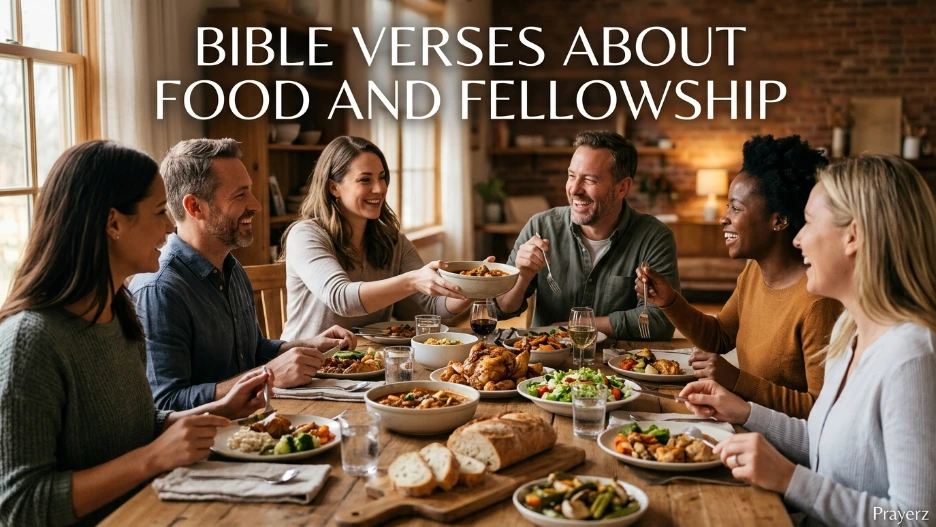
Few things bring people together quite like sharing a meal. Whether it is a family dinner after a long day, a celebration with close friends, a church potluck, or a simple cup of coffee with someone who needs encouragement, food has a unique way of creating connection. Around the table, walls come down, conversations deepen, laughter is shared, and burdens often become lighter.
Yet many people today struggle with loneliness, broken relationships, busy schedules, and disconnected communities. Families eat separately, friendships grow distant, and genuine fellowship has become increasingly rare. In a world that often encourages isolation and self-sufficiency, many Christians wonder: Does the Bible have anything meaningful to say about food and fellowship? Is sharing meals simply a cultural tradition, or does God intend something deeper?
The answer is both comforting and inspiring. Throughout Scripture, food is much more than nourishment for the body. Meals become places where God reveals His love, provides for His people, restores relationships, teaches important spiritual truths, and demonstrates His generous heart. From Abraham welcoming heavenly visitors with a meal to Jesus breaking bread with His disciples after His resurrection, the Bible repeatedly shows that God works powerfully through ordinary moments shared around the table.
Biblical fellowship is also much richer than casual socializing. The New Testament describes fellowship as sharing life together in Christ—encouraging one another, bearing each other’s burdens, worshiping together, praying together, and gladly breaking bread together. These acts strengthen faith, deepen relationships, and reflect God’s kingdom to the world.
If you’ve ever longed for deeper friendships, healthier family relationships, stronger church community, or simply wondered how everyday meals can become opportunities to glorify God, Scripture offers timeless wisdom. The Bible teaches that hospitality is a ministry, generosity reflects God’s character, and every meal can become an opportunity to experience His grace.
In this guide, we’ll explore some of the most meaningful Bible verses about food and fellowship, uncover their original context, and discover practical ways to make every table a place where Christ is welcomed and lives are transformed.
Quick Answer
The Bible presents food and fellowship as gifts from God that strengthen relationships, demonstrate hospitality, encourage generosity, and point people toward His kingdom. Throughout both the Old and New Testaments, shared meals symbolize love, unity, celebration, reconciliation, worship, and God’s faithful provision. Christians are encouraged to practice hospitality, share meals with gratitude, care for those in need, and use times of fellowship to glorify God and build one another up.
What Does the Bible Say About Food and Fellowship?
Before looking at individual Bible verses, it’s helpful to understand the bigger biblical picture.
Food appears throughout the Bible from Genesis to Revelation. God created fruit-bearing trees before humanity was even formed (Genesis 1). He provided manna in the wilderness, instructed Israel about sacred feasts, multiplied bread through Jesus, instituted the Lord’s Supper, and concludes Scripture with the promise of the Marriage Supper of the Lamb (Revelation 19:9).
These examples reveal several important biblical principles.
Food Is God’s Provision
Every meal reminds believers that God is their Provider. While people work for food, Scripture teaches that every good gift ultimately comes from the Lord (James 1:17). Giving thanks before meals acknowledges His faithfulness.
Fellowship Reflects God’s Character
God created humans for relationship—with Himself and with one another. Sharing meals provides opportunities to encourage, forgive, celebrate, and strengthen those relationships.
Hospitality Is an Act of Worship
Opening our homes and tables to others demonstrates God’s love in practical ways. Biblical hospitality isn’t about impressive meals or perfect homes; it’s about welcoming people with genuine love.
Meals Often Mark Important Spiritual Moments
Many significant events in Scripture happened around meals:
- Abraham welcomed heavenly visitors.
- Israel celebrated Passover.
- Jesus ate with sinners and outcasts.
- Jesus fed the five thousand.
- Jesus instituted Communion.
- The early church regularly broke bread together.
- Heaven itself is pictured as a joyful feast.
These moments remind believers that God often works through ordinary acts of eating together.
Why Food and Fellowship Matter in God’s Kingdom
Food nourishes the body, but fellowship nourishes the soul.
The early church understood that spiritual growth wasn’t limited to worship services. Believers learned Scripture together, prayed together, served together, and regularly gathered around tables. Their unity became one of the strongest testimonies to the surrounding world.
Today, the same principle remains true.
A dinner shared with neighbors can open doors for evangelism.
A family meal can become a place where children learn faith.
A church potluck can welcome newcomers.
A meal delivered to someone grieving can communicate God’s compassion more powerfully than words alone.
When believers intentionally include Christ in their conversations and relationships, everyday meals become opportunities for ministry.
Bible Verses About God’s Provision Through Food
1. Psalm 104:14–15
“He causes the grass to grow for the cattle, and vegetation for the service of man, that he may bring forth food from the earth, and wine that makes glad the heart of man, oil to make his face shine, and bread which strengthens man’s heart.”
Meaning and Context
Psalm 104 celebrates God’s wisdom displayed throughout creation. The psalmist praises God for sustaining every living creature by providing food, water, seasons, and life itself.
Rather than viewing food as something earned solely through human effort, this passage reminds readers that every harvest ultimately comes from God’s gracious hand.
Practical Application
Cultivate gratitude at every meal. Instead of treating food as ordinary, pause to thank God for His daily provision and remember those who have less.
Why This Verse Still Matters
Modern life often makes people feel self-sufficient, but this verse reminds believers that every meal is evidence of God’s ongoing care and faithfulness.
2. Matthew 6:11
“Give us this day our daily bread.”
Meaning and Context
Within the Lord’s Prayer, Jesus teaches His followers to depend on God for their daily needs rather than worrying about tomorrow.
“Daily bread” represents both physical provision and complete dependence upon the Father.
Practical Application
Bring your daily needs before God confidently. Trust Him to provide financially, emotionally, spiritually, and physically.
Why This Verse Still Matters
In uncertain economic times, this verse encourages believers to replace anxiety with trust, remembering that God remains their Provider.
3. Deuteronomy 8:3
“Man shall not live by bread alone; but man lives by every word that proceeds from the mouth of the Lord.”
Meaning and Context
After Israel’s wilderness journey, Moses reminded the people that God intentionally taught them dependence through the gift of manna.
Jesus later quoted this verse when resisting Satan’s temptation in the wilderness (Matthew 4:4), showing that spiritual nourishment is even more essential than physical food.
Practical Application
Balance caring for your physical body with feeding your soul through Scripture, prayer, and worship.
Why This Verse Still Matters
Many people spend significant energy pursuing material needs while neglecting their spiritual lives. This verse restores the proper priorities.
Bible Verses About Fellowship and Christian Community
4. Acts 2:46–47
“Day by day, continuing with one mind in the temple, and breaking bread from house to house, they were taking their meals together with gladness and sincerity of heart, praising God and having favor with all the people.”
Meaning and Context
These verses describe the daily life of the early church shortly after Pentecost.
Their fellowship extended beyond formal worship. They worshiped together, shared meals, prayed together, encouraged one another, and demonstrated remarkable generosity.
As a result, people were drawn to Christ.
Practical Application
Look for opportunities to invite others into your home, share meals after church, or simply spend intentional time building meaningful Christian friendships.
Why This Verse Still Matters
Authentic Christian fellowship remains one of the strongest witnesses to God’s transforming love.
5. Hebrews 10:24–25
“And let us consider one another in order to stir up love and good works, not forsaking the assembling of ourselves together…”
Meaning and Context
The writer encourages believers to continue gathering regularly despite persecution and hardship.
Christian fellowship isn’t optional—it is essential for spiritual endurance.
Practical Application
Prioritize consistent participation in your local church and invest in relationships that encourage spiritual growth.
Why This Verse Still Matters
In an increasingly isolated world, believers need authentic Christian community more than ever.
6. Romans 12:13
“Share with the Lord’s people who are in need. Practice hospitality.”
Meaning and Context
Paul includes hospitality among the practical marks of genuine Christian love.
Biblical hospitality isn’t reserved for wealthy families or gifted cooks. It’s about opening our lives to others with generosity and compassion.
Practical Application
Invite someone for dinner, prepare a meal for a family facing hardship, or welcome newcomers into your church community.
Why This Verse Still Matters
Hospitality continues to be one of the simplest and most powerful expressions of Christ’s love.
Bible Verses About Jesus Sharing Meals with Others
7. Luke 19:5–10
“When Jesus came to the place, he looked up and said to him, ‘Zacchaeus, hurry and come down, for I must stay at your house today.'” (Luke 19:5)
Meaning and Context
Zacchaeus was a wealthy tax collector who was widely disliked because tax collectors often exploited their own people. Many believed someone like Zacchaeus was beyond God’s mercy.
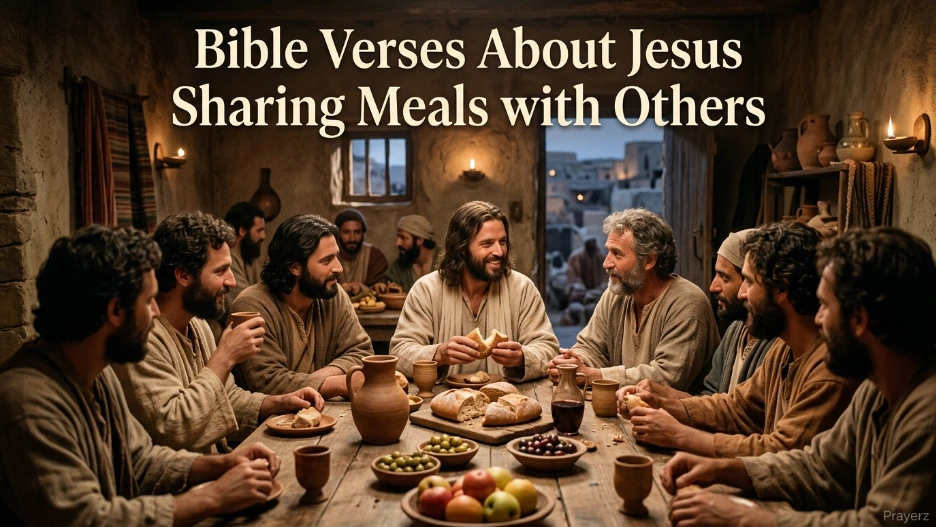
Instead of avoiding him, Jesus invited Himself to Zacchaeus’ home. Sharing a meal in Jewish culture symbolized acceptance, friendship, and relationship. By eating with Zacchaeus, Jesus demonstrated that God’s grace reaches those whom society rejects.
The meal became a turning point in Zacchaeus’ life. His heart changed, leading him to repay those he had wronged and generously give to the poor.
Practical Application
Christians should welcome people without showing favoritism. Meals can become opportunities to build relationships, extend forgiveness, and share the love of Christ.
Invite someone who may feel lonely, overlooked, or disconnected. Your table may become the place where they experience God’s love.
Why This Verse Still Matters
Many people today feel judged, isolated, or unworthy. Jesus reminds believers that hospitality opens doors for transformation, healing, and salvation.
8. Luke 5:29–32
“Then Levi held a great banquet for Jesus at his house, and a large crowd of tax collectors and others were eating with them.”
Meaning and Context
After calling Levi (Matthew) to become His disciple, Jesus attended a banquet filled with tax collectors and sinners.
The religious leaders criticized Him for associating with such people. Jesus answered:
“It is not the healthy who need a doctor, but the sick. I have not come to call the righteous, but sinners to repentance.”
His presence at the meal reflected God’s mission to seek and save the lost.
Practical Application
Believers should avoid living in isolated Christian circles. Instead, build genuine relationships with unbelievers while remaining faithful to biblical truth.
Meals provide natural opportunities to share hope, encourage conversations about faith, and demonstrate Christ’s compassion.
Why This Verse Still Matters
Jesus modeled evangelism through relationships, not merely sermons. Sharing meals remains one of the most effective ways to build meaningful spiritual conversations.
Bible Verses About Hospitality
9. Hebrews 13:2
“Do not neglect to show hospitality to strangers, for thereby some have entertained angels unawares.”
Meaning and Context
The writer likely refers to Abraham’s hospitality in Genesis 18 when he unknowingly welcomed heavenly visitors.
Hospitality in biblical times often involved caring for travelers, strangers, widows, and those with few resources.
God values hearts that willingly open both their homes and lives to others.
Practical Application
Hospitality doesn’t require a large house or expensive meals.
You can:
- Invite a neighbor for coffee.
- Welcome a new church member.
- Share a simple dinner with friends.
- Offer a meal to someone grieving.
- Host a Bible study around your kitchen table.
The focus is love—not perfection.
Why This Verse Still Matters
Modern culture often values privacy over community. Scripture reminds believers that opening our homes reflects God’s welcoming heart.
10. 1 Peter 4:9
“Offer hospitality to one another without grumbling.”
Meaning and Context
Peter encouraged Christians facing persecution to continue serving one another joyfully.
Hospitality wasn’t meant to be an obligation but a cheerful expression of God’s grace.
Serving others becomes worship when done willingly.
Practical Application
Instead of viewing hospitality as stressful, see it as an opportunity to bless others.
People remember kindness far longer than impressive decorations or elaborate menus.
Why This Verse Still Matters
Many believers hesitate to invite others over because they feel their homes aren’t perfect.
God isn’t looking for perfection.
He’s looking for willing hearts.
Bible Verses About Sharing with Those in Need
11. Isaiah 58:10
“If you spend yourselves in behalf of the hungry and satisfy the needs of the oppressed, then your light will rise in the darkness.”
Meaning and Context
God rebuked Israel for practicing religious rituals while neglecting compassion.
True worship included feeding the hungry, helping the poor, and caring for those suffering injustice.
Faith and generosity were never meant to be separated.
Practical Application
Support food ministries.
Volunteer at local shelters.
Prepare meals for families experiencing illness.
Share groceries with neighbors facing financial hardship.
Simple acts of generosity become powerful testimonies of God’s love.
Why This Verse Still Matters
Millions continue to struggle with hunger.
Christians demonstrate genuine faith when compassion moves beyond words into action.
12. Proverbs 22:9
“The generous will themselves be blessed, for they share their food with the poor.”
Meaning and Context
Proverbs consistently teaches that generosity reflects wisdom and righteousness.
Sharing food represents compassion that recognizes every person bears God’s image.
God delights in cheerful generosity.
Practical Application
Consider setting aside part of your grocery budget specifically for helping others.
Even small acts of kindness can deeply encourage someone in need.
Why This Verse Still Matters
Generosity remains one of the clearest reflections of God’s own character.
Bible Verses About Gratitude for Food
13. 1 Timothy 4:4–5
“For everything God created is good, and nothing is to be rejected if it is received with thanksgiving.”
Meaning and Context
Paul corrected false teachers who imposed unnecessary restrictions regarding food.
He reminded believers that God’s creation is good and should be received with gratitude.
Thanksgiving transforms ordinary meals into acts of worship.
Practical Application
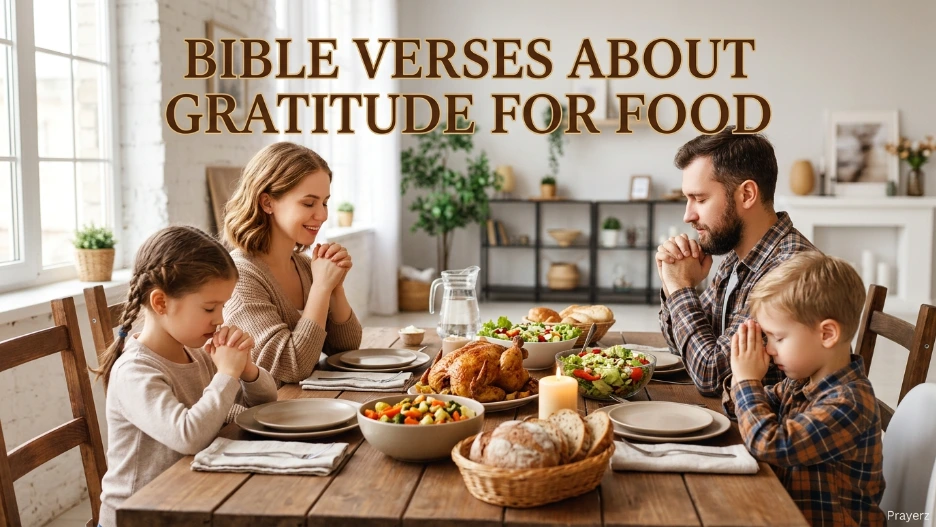
Pause before meals to thank God sincerely.
Teach children that gratitude is not merely tradition but worship.
Why This Verse Still Matters
In cultures filled with abundance, gratitude guards hearts against entitlement.
14. Psalm 34:8
“Taste and see that the Lord is good; blessed is the one who takes refuge in him.”
Meaning and Context
David uses the experience of tasting food to illustrate personally experiencing God’s goodness.
Faith isn’t merely intellectual knowledge—it is lived experience.
Practical Application
As food satisfies physical hunger, allow God’s Word to satisfy your spiritual hunger.
Reflect on His goodness daily.
Why This Verse Still Matters
People don’t merely need information about God—they need a living relationship with Him.
Bible Verses About Jesus Feeding the Hungry
15. Matthew 14:19–21
“Taking the five loaves and the two fish… he gave thanks and broke the loaves.”
Meaning and Context
Faced with a hungry crowd of more than five thousand men—plus women and children—Jesus refused to send them away hungry.
Instead, He multiplied a small meal into more than enough for everyone.
This miracle revealed both His divine power and His compassionate heart.
Jesus cared about physical needs while also teaching spiritual truths.
Practical Application
Bring your limited resources to God.
Whether time, money, abilities, or opportunities, God often multiplies what is willingly surrendered to Him.
Why This Verse Still Matters
The miracle reminds believers that God’s provision frequently exceeds human expectations.
Bible Verses About the Lord’s Supper
16. Luke 22:19–20
“And he took bread, gave thanks and broke it, and gave it to them, saying, ‘This is my body given for you; do this in remembrance of me.'”
Meaning and Context
During the Passover meal, Jesus established Communion.
The bread symbolized His body.
The cup represented His blood poured out for the forgiveness of sins.
What had once commemorated Israel’s deliverance from Egypt now pointed toward the greater salvation found through Christ.
Practical Application
Whenever participating in Communion, examine your heart, remember Christ’s sacrifice, and celebrate the hope found in His resurrection.
Why This Verse Still Matters
Communion continues to unite believers across cultures, reminding the church that salvation comes only through Jesus.
Bible Verses About Unity Around the Table
17. Romans 15:5–7
“Accept one another, then, just as Christ accepted you.”
Meaning and Context
Paul encouraged Jewish and Gentile believers to live together in unity despite cultural differences.
Meals often highlighted these differences, making acceptance especially important.
The Gospel creates one family from many backgrounds.
Practical Application
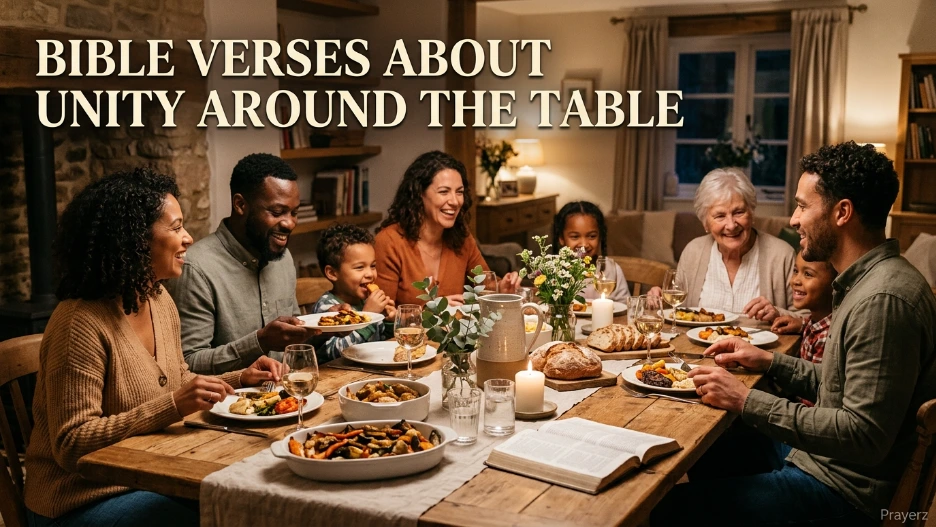
Use shared meals to strengthen relationships across generations, cultures, and personal differences.
Practice listening more than speaking.
Welcome those who may feel excluded.
Why This Verse Still Matters
Christian fellowship should demonstrate the unity that Christ has already established through His cross.
Bible Verses About God’s Eternal Feast
18. Revelation 19:9
“Blessed are those who are invited to the marriage supper of the Lamb!”
Meaning and Context
The Bible ends with a beautiful image of believers celebrating an eternal banquet with Christ.
This joyful feast represents complete fellowship with God, the fulfillment of His promises, and everlasting celebration in His presence.
Every faithful believer is invited through the saving work of Jesus Christ.
Practical Application
Every meal shared with fellow believers can remind us of the greater celebration awaiting God’s people in eternity.
Live each day with hope, anticipation, and gratitude.
Why This Verse Still Matters
Earthly fellowship offers only a glimpse of the perfect fellowship believers will one day enjoy forever with Christ.
Biblical Themes That Connect Food and Fellowship
As we examine these passages together, several powerful biblical truths emerge:
- Food reminds us that God is our faithful Provider.
- Shared meals create opportunities for discipleship and encouragement.
- Hospitality reflects God’s welcoming heart.
- Generosity toward the hungry honors the Lord.
- Jesus used meals to reveal grace and invite sinners into God’s family.
- Communion continually reminds believers of Christ’s sacrifice.
- Christian fellowship strengthens faith and builds unity.
- Every shared table points toward the eternal banquet awaiting God’s people.
Rather than viewing food as merely physical nourishment, Scripture consistently presents it as a gift that can deepen relationships, strengthen faith, encourage generosity, and glorify God.
How to Apply Bible Verses About Food and Fellowship in Daily Life
Understanding Scripture is only the beginning. God’s Word is meant to shape the way we live. Here are practical ways to apply these biblical principles in everyday life.
1. Make Mealtimes Moments of Gratitude
Life moves quickly, and meals can easily become rushed routines. Instead of eating mindlessly, pause to thank God for His provision.
A simple prayer before meals reminds everyone at the table that every blessing ultimately comes from the Lord. Gratitude also changes our perspective, helping us focus on God’s faithfulness rather than our worries.
Even when circumstances are difficult, thanking God for daily bread cultivates trust and contentment.
2. Practice Genuine Hospitality
Biblical hospitality isn’t about preparing gourmet meals or owning a beautiful home. It is about opening your heart.
Invite someone who lives alone.
Welcome a new family from church.
Share lunch with a coworker.
Host a neighborhood Bible study.
Offer coffee to someone going through a difficult season.
People rarely remember an elaborate menu, but they often remember the kindness, encouragement, and acceptance they experienced around your table.
3. Build Stronger Family Relationships
In many homes, busy schedules leave little time for meaningful conversations.
Whenever possible, prioritize eating together.
Family meals create opportunities to:
- Pray together.
- Read a short Bible passage.
- Discuss God’s faithfulness.
- Encourage one another.
- Listen without distractions.
- Celebrate answered prayers.
These ordinary moments often become lifelong memories and strengthen both family bonds and spiritual growth.
4. Care for Those Facing Hunger
The Bible repeatedly connects faith with compassion.
Ask God to show you practical ways to feed those in need.
You might:
- Support a local food pantry.
- Volunteer at a community kitchen.
- Prepare meals for someone recovering from surgery.
- Deliver groceries to an elderly neighbor.
- Donate food during holidays.
- Help families experiencing financial hardship.
Every act of generosity reflects God’s generous heart.
5. Use Meals to Share Your Faith
Jesus often taught, encouraged, and welcomed people while sharing meals.
Likewise, inviting someone to lunch or dinner creates a relaxed environment where meaningful conversations naturally develop.
You don’t need to preach a sermon.
Simply:
- Listen well.
- Share your testimony naturally.
- Speak about God’s faithfulness.
- Pray if opportunities arise.
- Show genuine interest in others.
Hospitality often opens doors that arguments never could.
6. Remember Christ Through Communion
Whenever your church celebrates the Lord’s Supper, participate thoughtfully.
Reflect on:
- Christ’s sacrifice.
- God’s forgiveness.
- The hope of eternal life.
- Unity with fellow believers.
- The promise of Christ’s return.
Communion reminds believers that the greatest invitation ever offered is the invitation into God’s family through Jesus Christ.
7. Celebrate God’s Goodness Together
Not every meal must respond to a crisis.
Celebrate birthdays.
Anniversaries.
Baptisms.
Answered prayers.
New jobs.
Graduations.
Healing.
God delights when His people rejoice together and acknowledge His blessings.
Biblical Principles to Remember
As you reflect on these Bible verses about food and fellowship, keep these timeless truths close to your heart.
God Provides Every Good Gift
Food reminds us that God faithfully cares for both our physical and spiritual needs.
Fellowship Strengthens Faith
Christian growth was never intended to happen in isolation.
We need encouragement, accountability, worship, and friendship.
Hospitality Reflects Christ
Welcoming others mirrors the grace God has shown us.
Generosity Honors God
Sharing meals and caring for the hungry demonstrate living faith.
Every Table Can Become a Place of Ministry
Whether your table seats two people or twenty, God can use it to change lives.
A Prayer for Food, Fellowship, and Thankfulness
Heavenly Father,
Thank You for being our faithful Provider. Every meal we enjoy, every blessing we receive, and every relationship we treasure comes from Your loving hand. We praise You for Your goodness and Your constant care over our lives.
Help us never to take Your provision for granted. Teach us to receive every gift with grateful hearts and to remember those who struggle with hunger, loneliness, and hardship. Give us generous spirits that willingly share what You have entrusted to us.Lord Jesus, thank You for showing us the beauty of fellowship. Thank You for welcoming sinners, offering grace to the broken, and inviting us into Your family through Your sacrifice on the cross. Help us follow Your example by opening our homes, our tables, and our hearts to others.
Strengthen our families through meaningful conversations and shared meals. Deepen the friendships within our churches. Unite believers in love, humility, and compassion so that the world may see Your presence through the way we care for one another.Show us opportunities to encourage someone who feels lonely, feed someone who is hungry, and welcome someone who feels forgotten. Let our hospitality reflect Your kindness and point others toward the hope found in Christ.
As we gather around our tables today, remind us of the glorious day when we will sit together at the Marriage Supper of the Lamb and celebrate Your eternal kingdom forever.
Until then, help us live with thankful hearts, generous hands, and joyful fellowship.
In the precious name of Jesus Christ, Amen.
FAQs
1. What does the Bible say about eating together?
The Bible presents shared meals as opportunities to strengthen relationships, express gratitude, encourage one another, and build community. Throughout Scripture, eating together often symbolizes unity, hospitality, and God’s blessing.
2. Why is fellowship important in Christianity?
Christian fellowship helps believers grow spiritually through encouragement, accountability, prayer, worship, and mutual support. Hebrews 10:24–25 reminds believers not to neglect gathering together because community strengthens faith.
3. What does the Bible teach about hospitality?
Hospitality is a practical expression of Christian love. Romans 12:13, Hebrews 13:2, and 1 Peter 4:9 encourage believers to welcome others generously, serve joyfully, and care for strangers without complaining.
4. Did Jesus often eat with people?
Yes. Jesus regularly shared meals with His disciples, religious leaders, tax collectors, sinners, and ordinary people. These meals demonstrated God’s grace, offered opportunities for teaching, and revealed His mission to seek and save the lost.
5. What is the spiritual meaning of food in the Bible?
Food often symbolizes God’s provision, blessing, covenant relationship, spiritual nourishment, celebration, and eternal hope. Jesus also referred to Himself as the “Bread of Life” (John 6:35), showing that true satisfaction is found in Him.
6. Why do Christians pray before meals?
Praying before meals acknowledges God as the source of every good gift. It expresses gratitude, dependence on His provision, and recognition that both physical and spiritual nourishment come from Him.
7. What does the Bible say about feeding the hungry?
Scripture consistently calls believers to care for those in need. Isaiah 58, Proverbs 22:9, Matthew 25:35, and James 2:14–17 teach that genuine faith expresses itself through compassionate action and generous service.
8. What is the Lord’s Supper, and why is it important?
The Lord’s Supper, or Communion, was established by Jesus during the Last Supper. It commemorates His sacrificial death, celebrates the forgiveness of sins, strengthens believers’ faith, and points to His promised return.
9. How can families use mealtimes to grow spiritually?
Families can strengthen their faith by praying together, reading a short passage of Scripture, discussing God’s faithfulness, encouraging one another, and creating an atmosphere where everyone feels heard and loved.
10. What is the ultimate biblical picture of fellowship?
The Bible culminates with the Marriage Supper of the Lamb (Revelation 19:9), where all who belong to Christ will enjoy perfect, eternal fellowship with God and one another. Every joyful meal shared in faith today points forward to that glorious celebration.
Conclusion
The Bible reveals that food and fellowship are sacred gifts that nourish far more than our bodies. Around the table, God teaches gratitude, strengthens relationships, extends grace, and reminds us of His faithful provision. Ordinary meals become extraordinary when they are shared with thankful hearts and centered on His presence.Jesus Himself demonstrated the power of fellowship by eating with sinners, comforting His disciples, feeding the hungry, and instituting the Lord’s Supper. His example shows that every table can become a place of welcome, healing, discipleship, and hope.
As you reflect on these Bible verses about food and fellowship, ask yourself how God might use your own table to bless others. Perhaps it means inviting a lonely neighbor for dinner, sharing a meal with someone in need, encouraging your family through intentional conversations, or simply offering thanks for God’s daily provision.Never underestimate what the Lord can accomplish through a simple act of hospitality. A shared meal may become the beginning of a restored relationship, a strengthened faith, or even someone’s first step toward Christ.
May your home be filled with gratitude, your table with generosity, your conversations with grace, and your heart with the joy that comes from walking closely with the One who invites all who trust in Him to the everlasting feast in His eternal kingdom. Until that glorious day, may every meal remind you of God’s abundant goodness, every gathering reflect His love, and every act of fellowship point others to Jesus Christ—the true Bread of Life and the source of lasting satisfaction.
